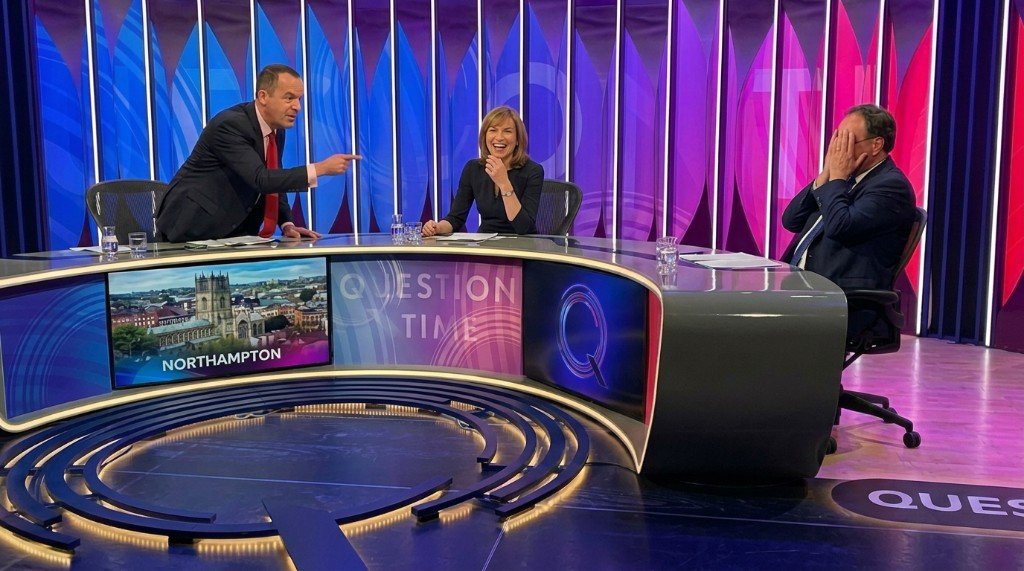
British broadcasting has always had a soft spot for the accidental comic moment: a weather cross derailed by wind, a radio cue that goes out half a second too early, a presenter chatting off-script before realising the mic is open, or a studio guest reacting with devastating honesty to a carefully prepared question.
| Type of mishap | Why viewers love it | What it reveals |
|---|---|---|
| Hot-mic chatter | Feels genuinely unscripted | How fast live control rooms move |
| Failed handover | Perfect timing becomes perfect chaos | The fragility of polished transitions |
| Unexpected background moment | Turns a routine segment into a shared joke | Live TV can never fully control the real world |
| Radio cue confusion | Listeners imagine the panic instantly | How much depends on split-second coordination |
What makes these moments endure is tone. Viewers can usually tell the difference between a harmless fumble and something genuinely uncomfortable. The clips that last are the ones where everyone recovers, laughs, and the programme carries on with only a little dignity missing.
Breakfast television and live radio are especially fertile ground because the energy is conversational by design. That relaxed atmosphere is charming when it works and comic gold when it slips a fraction. Presenters have to sound effortless while coordinating timing, guests, cues, breaking news and weather tosses all at once.
Why these moments spread so easily
- They are short, surprising and easy to retell.
- They feel authentic in a media world full of polish.
- They invite laughter without requiring anyone to be the villain.
In the end, British audiences tend to treat these incidents affectionately. The best live-slip moments become part of a national archive of small shared absurdities: evidence that even under studio lights, the country still prefers a bit of wit, resilience and mild embarrassment to total perfection.